The Unlucky Fate of Punjab


The division of states often results in a lot of heartache and turmoil, as seen during the bifurcation of Andhra Pradesh and the demand for Hyderabad. It’s easy to forget the similar situations that other states have faced in the past.

One such state is Punjab, which can be considered one of the most unlucky states in India. It not only lost its most important city, Lahore (equivalent to what Mumbai is to Maharashtra, or Bangalore to Karnataka, or Chennai to Tamil Nadu), but also had to see other major cities like Ambala, Kurukshetra, and Shimla being taken away by Haryana and Himachal Pradesh due to linguistic bifurcation. While some may argue that Chandigarh was given as compensation, it is still a Union Territory and cannot replace the irreparable loss that Punjab faced. Comparing Chandigarh to Ahmedabad and Gandhinagar, it is clear that the former can never replace the importance of the latter.

Punjab is also a border state, surrounded by a hostile neighbor, which severely limits the scope for trade and industrial investments. Unlike Andhra Pradesh, which has coasts and is developing Vizag as its capital, Punjab is in a difficult situation. The tag of a “border state” is likely to stick with Punjab, making it even harder for the state to attract investments and develop economically.

The division of states may have its benefits, but it can also cause significant harm to certain regions. It’s important for policymakers to consider the long-term consequences of such decisions, and to ensure that the interests of all stakeholders are taken into account

The Power of Weekly Fasting


Fasting, the practice of abstaining from food or drink for a certain period of time, has been used for centuries for various reasons, including religious, cultural, and health purposes. Nowadays, many people are adopting the practice of intermittent fasting, which involves limiting food intake to specific windows of time throughout the day or week. One popular form of intermittent fasting is fasting once a week, which involves going without food for 24 hours once a week. In this blog, we’ll explore the benefits of fasting once a week.

  1. Weight loss Fasting can help with weight loss by reducing calorie intake and increasing metabolism. By skipping meals, you reduce the amount of calories consumed, which can help to create a calorie deficit necessary for weight loss. Additionally, fasting increases metabolism, which helps burn more calories during the fasting period and can lead to weight loss over time.
  2. Improved insulin sensitivity Fasting once a week can also improve insulin sensitivity, which is the body’s ability to use insulin effectively to transport glucose (sugar) from the bloodstream into the cells. Improved insulin sensitivity can help regulate blood sugar levels and reduce the risk of type 2 diabetes.
  3. Detoxification Fasting can help the body eliminate toxins and waste products, as well as give the digestive system a break from processing food. This can lead to improved digestion, clearer skin, and a boost in energy levels.
  4. Mental clarity Fasting has been shown to improve cognitive function and mental clarity. It can increase focus and concentration, as well as improve memory and creativity.
  5. Spiritual benefits Many people who practice fasting report experiencing spiritual benefits, such as a greater sense of mindfulness, emotional stability, and a deeper connection with the divine.

Tips for fasting once a week:

  • Drink plenty of water during the fasting period to stay hydrated.
  • Start with a shorter fasting period, such as 16 hours, and gradually work up to 24 hours.
  • Be mindful of your body’s needs and stop fasting if you experience any negative symptoms, such as dizziness, headaches, or weakness.
  • Break your fast with a light, healthy meal that includes protein, vegetables, and healthy fats.

In conclusion, fasting once a week can have numerous benefits for your physical, mental, and spiritual health. However, it’s important to approach fasting with caution and listen to your body’s needs. If you’re interested in trying fasting, consult with a healthcare professional first to ensure it’s safe for you

A Guide to Understanding Movie Distribution in India


Movie distribution in India typically involves several steps, starting with the production of the film and ending with its release in theaters. Here is a brief overview of the movie distribution process in India:

  1. Production: The production of a movie in India typically involves several stages, including pre-production, production, and post-production. During the pre-production stage, the movie script is finalized, actors are cast, and locations are scouted. During production, the movie is shot, and during post-production, the movie is edited, sound is added, and special effects are incorporated.
  2. Distribution: Once the movie is complete, it is sold to a distribution company. In India, there are several large distribution companies, including Yash Raj Films, Eros International, and UTV Motion Pictures. These companies handle the distribution of movies in different regions of the country.
  3. Promotion: Before a movie is released, it is promoted heavily to build anticipation and generate buzz. Promotional activities can include press conferences, interviews with the cast and crew, trailers, posters, and social media campaigns.
  4. Release: Once the promotion is done, the movie is released in theaters. In India, movies are typically released on Fridays, and the release date is heavily marketed in advance. Theatrical distribution is usually done through a network of regional distributors and exhibitors who manage theaters in their respective regions.
  5. Box office: After the movie is released, its performance at the box office is closely monitored. Box office collections are an important metric for success in the Indian film industry, and movies are often judged based on their box office performance.

In addition to theatrical release, Indian movies are also distributed through other channels such as satellite television, streaming services, and home video. Overall, movie distribution in India is a complex and highly competitive industry, with many players vying for a piece of the lucrative Indian film market

Step-by-Step Guide to Applying for Investment-Based PR in the USA


The United States offers a variety of investment-based pathways for foreign nationals seeking permanent residency, including the EB-5 Immigrant Investor Program. Here are the general steps to apply for investment-based PR in the USA:

  1. Determine your eligibility: The EB-5 program requires a minimum investment of $900,000 or $1.8 million depending on the location of the investment project. You must also demonstrate that your investment will create at least 10 full-time jobs for US workers.
  2. Make your investment: You must invest the required amount in a qualifying EB-5 project, such as a new commercial enterprise or a regional center.
  3. File Form I-526: This is the first step in the EB-5 application process. You must file Form I-526, Immigrant Petition by Alien Investor, with the US Citizenship and Immigration Services (USCIS) to show that your investment meets the requirements of the program.
  4. Wait for USCIS processing: USCIS will review your application and may request additional information or evidence. Processing times can vary, but the USCIS provides estimated processing times online.
  5. File Form I-485: Once your I-526 is approved, you can file Form I-485, Application to Register Permanent Residence or Adjust Status, to apply for permanent residency.
  6. Attend an interview: USCIS will schedule an interview to review your application and ask questions about your background and investment.
  7. Receive a decision: USCIS will either approve or deny your application. If approved, you will receive your green card.

It’s important to note that the application process for investment-based PR can be complex and lengthy, and it’s recommended that you seek the guidance of an experienced immigration attorney to help navigate the process.

ChatGPT Mar 23 Version. Free Research Preview. ChatGPT may produce inaccurate

Difference between a soldier and a terrorist!!


Anyone unwilling to fully grant women their equality in all ways, at all times, is a terrorist to half the human race.

State actors are soldiers and operate under ostensible rules of warfare (Geneva Convention ) as agreed to by states.

Terrorists are not defined as State Actors operating under the Geneva Convention. The heroism was in the selflessness of his act on behalf of his comrades and military mission.

Most military missions are questionable from an external Point Of View, but how one behaves in the situation is upon the actor, not the state, and so it is considered brave to die in a battle, but not so brave or heroic when one is killed after planting truck bombs to detonate in public squares to achieve media attention, and to set up the second one just to get the first responders and make it bloodier still, in the targeted murders of innocent rescue folk, for strictly that purpose.

Learn Composting from Siruthuli!!!


I’ve always believed in the concept of waste management. Though I couldn’t contribute much to community, I’ve personally changed life style at home that is good for the society and Mother Earth!!

One such initiative I diligently do at my Home is segregation of waste and compost the organic waste!!

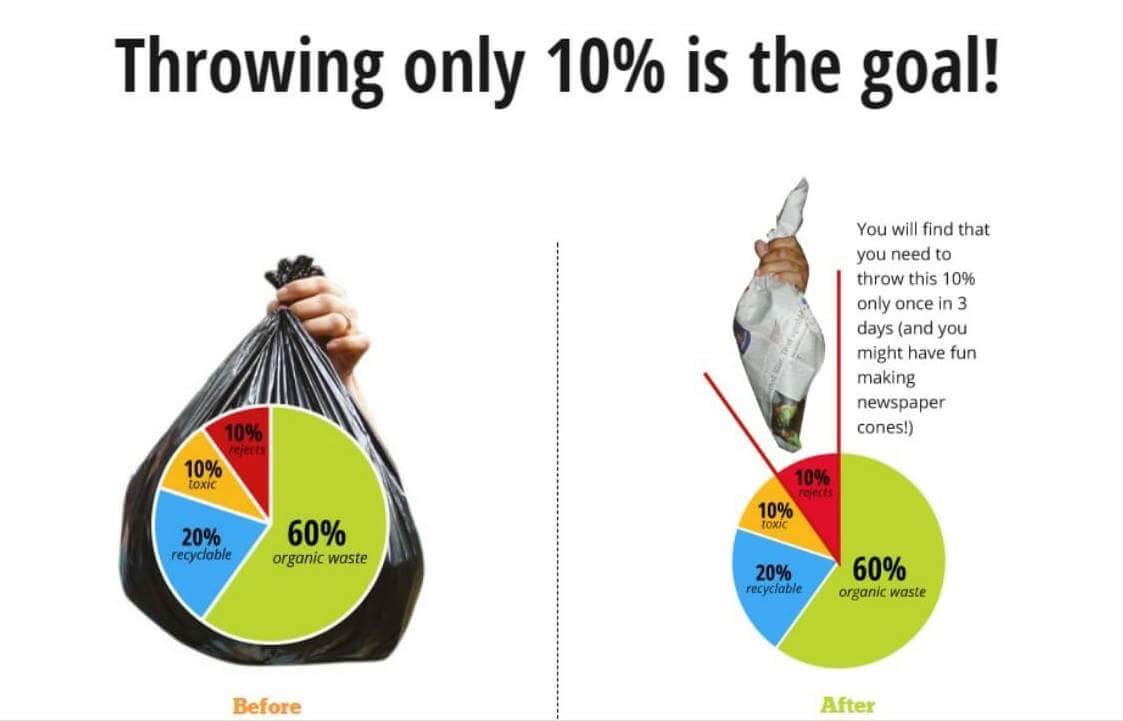
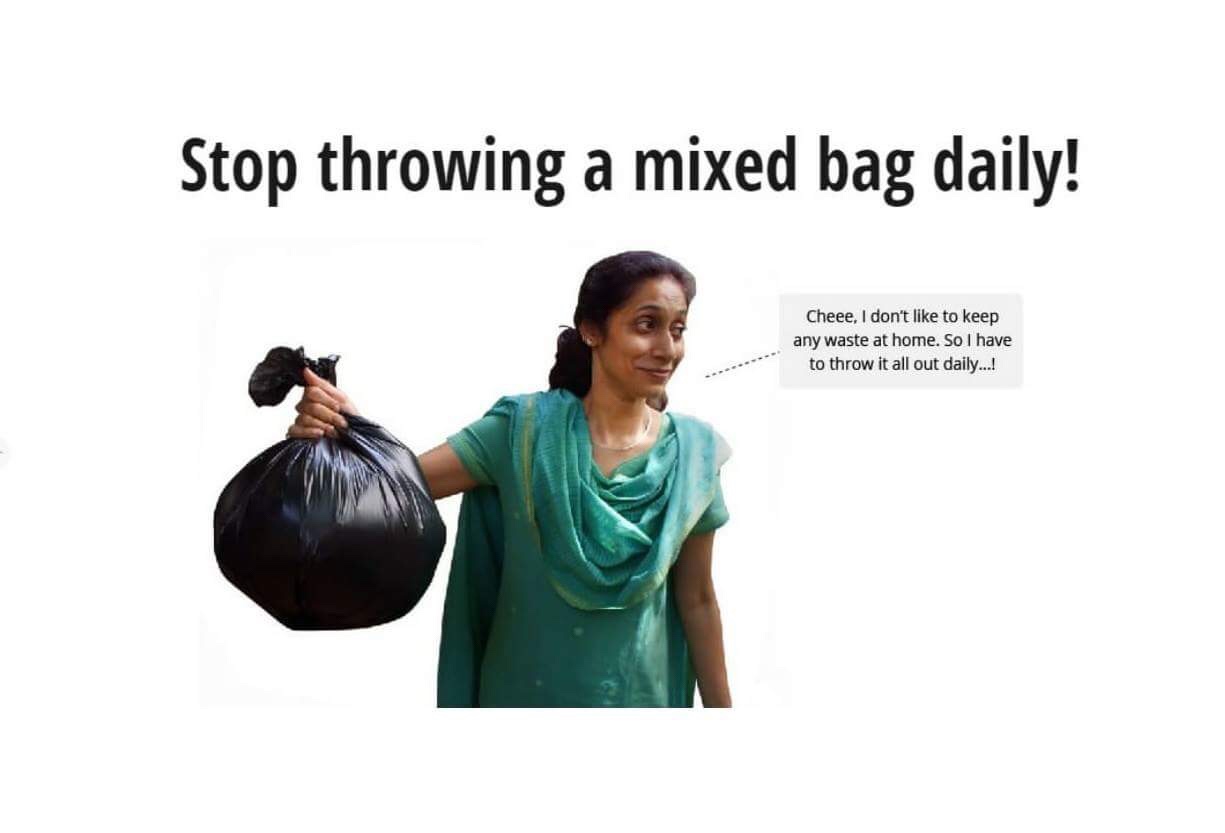
Our country is dirty because we throw all waste in one bag!!

If we change the way we throw, it will make a difference!!

Siruthuli, is organizing workshop on composting!! I appreciate if all Coimbatore folks attend and practice!!

RSVP:

Siruthuli

Sungam Bypass Road, Near Flyover,

Coimbatore – 641046, TN, India.

#howyouthrowmatters

Mahabharat and Bharat


 Duryodhan & Rahul Gandhi – both without talent. but yet wanted to be rulers on the principle of birth-right.

Bhishma & Advani – Never crowned. got respect & yet became helpless at the end of their lives.

Arjun & Narendra – Both talented. reached the highest position due to being on the side of dharma. but realise how difficult it is to follow and practice.

Karna & Manmohan Singh – Both intelligent. but never reached anywhere being on the side of adharma.

Abhimanyu & Kejriwal – Both new in war. they did not pass the chakravyuh test that enemies had spread around them & got trapped somewhere in between.

Shakuni & Digvijay Singh – Both wanted their masters to be happy irrespective of talent or right.

Dhritrashtra & Sonia – Both were blind for love of their sons.

And Last – Krishna And Abdul Kalam – We celebrate both of them but do not follow what they taught and preached. 

Visual representation of sugar content


Think before you try to buy these drinks!! Settle for tender coconut water or palm water!!!  

The Curious Case of RONALD OPUS – A Bizzare Legal Case


At the 1994 annual awards dinner given for Forensic Science, AAFS President Dr Don Harper Mills astounded his audience with the legal complications of a bizarre death.
Here is the Case:

On March 23, 1994 the medical examiner viewed the body of Ronald Opus and concluded that he died from a shotgun wound to the head. Mr. Opus had jumped from the top of a ten-story building intending to commit suicide. He left a note to the effect indicating his despondency. As he fell past the ninth floor his life was interrupted by a shotgun blast passing through a window, which killed him instantly. Neither the shooter nor the deceased was aware that a safety net had been installed just below the eighth floor level to protect some building workers and that Ronald Opus would not have been able to complete his suicide the way he had planned.

“Ordinarily,” Dr Mills continued, “A person, who sets out to commit suicide and ultimately succeeds, even though the mechanism might not be what he intended, is still defined as committing suicide.” That Mr. Opus was shot on the way to certain death, but probably would not have been successful because of the safety net, caused the medical examiner to feel that he had a homicide on his hands.

The room on the ninth floor, where the shotgun blast emanated, was occupied by an elderly man and his wife. They were arguing vigorously and he was threatening her with a shotgun. The man was so upset that when he pulled the trigger he completely missed his wife and the pellets went through the window striking Mr. Opus. When one intends to kill subject “A” but kills subject “B” in the attempt, one is guilty of the murder of subject “B”. 

When confronted with the murder charge the old man and his wife were both adamant and both said that they thought the shotgun was unloaded. The old man said it was a long standing habit to threaten his wife with the unloaded shotgun. He had no intention to murder her. Therefore the killing of Mr. Opus appeared to be an accident; that is, if the gun had been accidentally loaded.

The continuing investigation turned up a witness who saw the old couple’s son loading the shotgun about six weeks prior to the fatal accident. It transpired that the old lady had cut off her son’s financial support and the son, knowing the propensity of his father to use the shotgun threateningly, loaded the gun with the expectation that his father would shoot his mother. Since the loader of the gun was aware of this, he was guilty of the murder even though he didn’t actually pull the trigger. The case now becomes one of murder on the part of the son for the death of Ronald Opus.

Now comes the exquisite twist. 

Further investigation revealed that the son was, in fact, Ronald Opus. He had become increasingly despondent over the failure of his attempt to engineer his mother’s murder. This led him to jump off the ten-story building on March 23rd, only to be killed by a shotgun blast passing through the ninth story window. The son had actually murdered himself, so the medical examiner closed the case as a suicide.  

A true story from Associated Press. Reported by Kurt Westervelt.

Tamil Litrature explaining important aspects of life!!


Got startled when I came across this tamil quote… The words used in the quote is almost non-existent in today’s modern tamil… But the message conveyed thousand years back is mind blowing!! Not sure where we lost our heritage!!! Not many Tamils know or realise that our own literature can help us in planning our career and personal life!! 

Tamils those days spoke about importance of wealth, education, poverty & insult… These facts of life can be applied any time until the mankind exist!!! 

திரு விற்றலுடைய தில்லை –யொருவற்குக் 
கற்றலின் வாய்த்த பிறவில்லை–எற்றுள்ளும் 
இன்மையின்னாத தில்லையில் லேன்னாத 
வன்மையின் வன்பாட்ட தில். 

Nothing is more powerful than wealth. 
Nothing is higher than the education. 
Nothing is more painful than poverty. 
Nothing is stronger than avoiding rejection to a begger.