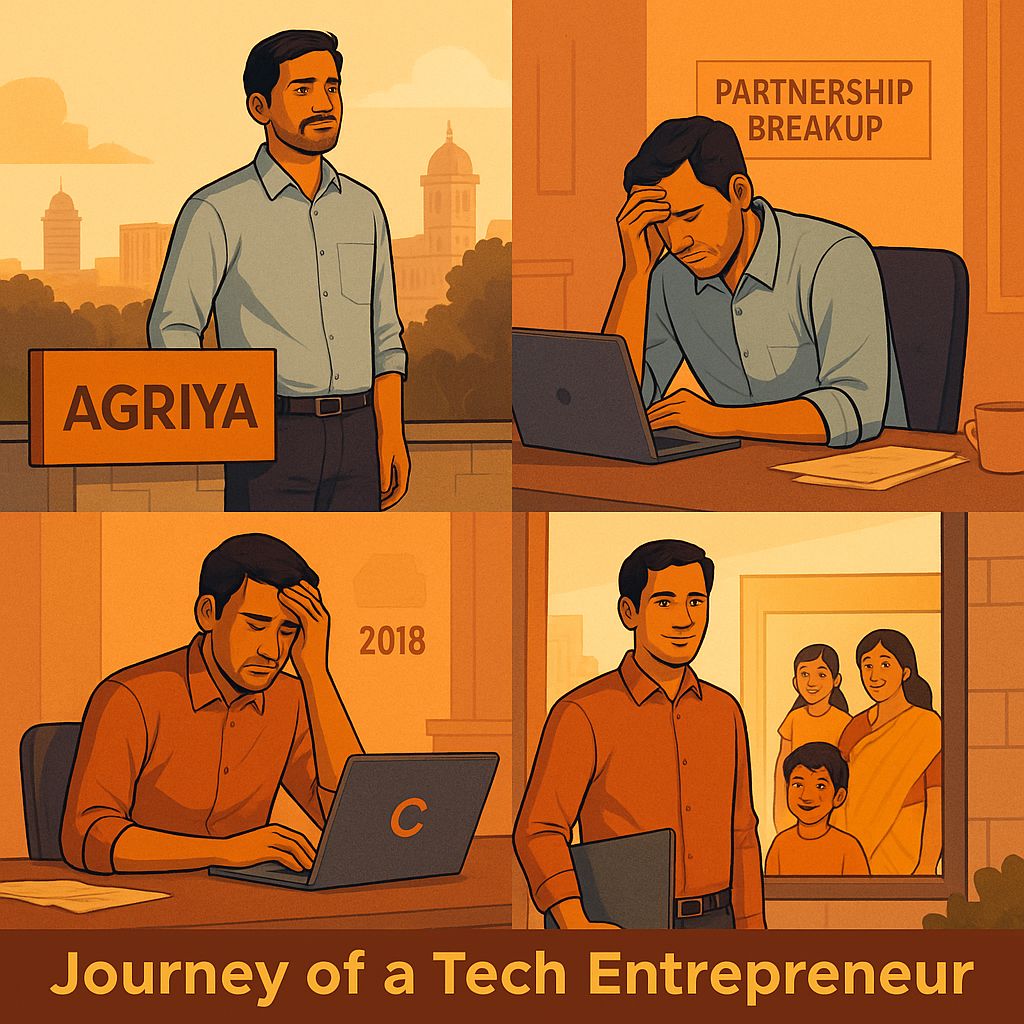
Perceive Without Quitting: Understanding Failure as a Step Before Success


Success is often seen as the ultimate goal, the pinnacle of our achievements. We strive for it, work towards it, and celebrate it when we reach it. But what about failure? We tend to see it as the opposite of success, something to avoid at all costs. But what if I told you that failure is actually a step before success? That it can be a valuable learning experience that propels you forward towards your goals? In this blog post, we’ll explore the idea that failure is not something to fear, but something to embrace and learn from.

Firstly, let’s define failure. Failure is simply not achieving the desired outcome. It’s important to note that failure is not a reflection of your worth as a person. We all fail at some point in our lives, and it’s how we respond to failure that makes all the difference. The fear of failure can be paralyzing, but if we shift our mindset and see failure as an opportunity to learn and grow, we can use it to our advantage.

One of the greatest benefits of failure is that it teaches us resilience. When we fail, we experience disappointment, frustration, and even embarrassment. But if we can pick ourselves up, dust ourselves off, and keep going, we become more resilient. Resilience is the ability to bounce back from setbacks and keep moving forward. It’s an essential quality for success in any area of life, and failure can help us develop it.

Another benefit of failure is that it can lead to creativity and innovation. When we’re faced with a challenge and our first attempt fails, we’re forced to think outside the box and come up with new ideas. This process of trial and error can lead to breakthroughs and new discoveries. Many of the world’s greatest inventors and innovators experienced failure before achieving success.

Lastly, failure can teach us important lessons. When we fail, we have the opportunity to reflect on what went wrong and how we can do better next time. This process of self-reflection and learning is crucial for personal growth and development. It allows us to identify our strengths and weaknesses and work on improving ourselves.

In conclusion, failure is not something to fear or avoid, but something to embrace and learn from. It can teach us resilience, lead to creativity and innovation, and help us learn important lessons. Remember that failure is a step before success, and don’t give up on your goals just because you experience setbacks. Persevere, learn from your failures, and keep moving forward. With this mindset, you’ll be well on your way to achieving success

America is much more than just a country; it’s a business.


When we think of America, many of us imagine a great nation built on the principles of freedom, democracy, and opportunity. But the reality is that America is much more than just a country; it’s a business.

From the earliest days of its founding, America has been a place where entrepreneurs could come and make their fortunes. The nation was built on a spirit of innovation, risk-taking, and hard work, and this has led to the creation of some of the world’s largest and most successful businesses.

Today, America is home to some of the biggest corporations in the world, including Apple, Amazon, and Google. These companies are not just American businesses; they are global entities that have a significant impact on the entire world. They create jobs, drive innovation, and generate wealth for their shareholders.

But while these companies are certainly important to the American economy, they are not the only businesses that matter. America is also home to countless small businesses, which are the backbone of the nation’s economy. These businesses range from mom-and-pop shops to innovative startups, and they all contribute to the overall success of the American business landscape.

Of course, America is also a political entity with a complex government structure, and it is important to recognize the role that politics plays in the nation’s business environment. From tax policies to trade agreements to regulations, the government has a significant impact on how businesses operate in America. This can be both a positive and a negative thing, depending on your perspective.

Some argue that America’s business-centric focus has led to a culture of greed and inequality. They point to the fact that the wealthiest Americans control an ever-increasing share of the nation’s wealth, while many working-class families struggle to make ends meet. They argue that the nation’s business leaders are more concerned with maximizing profits than with creating a fair and just society.

Others, however, see America’s business focus as a source of strength. They argue that the nation’s entrepreneurial spirit and innovation have led to incredible advancements in technology, healthcare, and other fields. They point to the fact that America remains the most powerful economy in the world, with a GDP that far exceeds that of any other nation.

In the end, it is difficult to say whether America’s business focus is a good thing or a bad thing. Like most things in life, it is a complex issue with no easy answers. But one thing is certain: America’s status as a business powerhouse is unlikely to change anytime soon. Whether you see that as a positive or a negative thing is up to you.

The Danger of Institutionalization: Dependency on Walls


Institutionalization is a term that is often used to describe the process by which individuals become acclimated to living within a structured and controlled environment, such as a prison or mental institution. The quote “Believe what you want. These walls are funny. First, you hate ‘em, then you get used to ‘em. After long enough, you get so you depend on ‘em. That’s ‘institutionalized'” is a powerful statement that speaks to the concept of institutionalization and its impact on individuals.

When someone is institutionalized, they have been conditioned to the rules and routines of the institution to the point where they have become dependent on them. This process can be insidious, and it can happen slowly over time as a result of prolonged exposure to institutional environments.

One of the most significant effects of institutionalization is the loss of individuality and personal agency. In an institutional environment, there are strict rules and protocols that must be followed, and deviation from these norms can lead to severe consequences. Over time, individuals may come to accept these rules and protocols as normal, and they may even begin to internalize them, to the point where they no longer question their validity or necessity.

This loss of personal agency can be particularly damaging in situations where individuals are being held against their will, such as in a prison or mental institution. These individuals may feel as though they have no control over their lives and may become resigned to their fate, leading to feelings of hopelessness and despair.

Institutionalization can also lead to a sense of learned helplessness, where individuals feel powerless to change their circumstances, even if they are given the opportunity to do so. This can be a significant barrier to rehabilitation and reintegration into society, as individuals who have been institutionalized may struggle to adapt to life outside of the institution and may struggle to make decisions for themselves.

Ultimately, the quote “Believe what you want. These walls are funny. First, you hate ‘em, then you get used to ‘em. After long enough, you get so you depend on ‘em. That’s ‘institutionalized'” serves as a stark reminder of the impact that institutionalization can have on individuals. It highlights the insidious nature of the process and the ways in which it can erode personal agency and individuality. As such, it is essential to be aware of the potential risks of institutionalization and to work to mitigate these risks wherever possible

Don’t Compromise Your Passion: Avoiding the Regret of Missed Opportunities in Life


There’s not a day goes by I don’t feel regret. Not because I’m in here, or because you think I should. I look back on the way I was then: a young, stupid kid who committed that terrible crime. I want to talk to him. I want to try and talk some sense to him, tell him the way things are. But I can’t. That kid’s long gone and this old man is all that’s left. I got to live with that.

As I read through those words, spoken by the character Red in the movie “The Shawshank Redemption,” I couldn’t help but feel a sense of sadness and regret. Regret all the times I’ve held back from pursuing my passions, settling for a safer, more comfortable path. And I know that I’m not alone in feeling this way.

It’s a common narrative in our society to prioritize stability and security over taking risks and pursuing our dreams. We’re told to go to school, get a good job, save for retirement, and then enjoy life once we’ve put in our time. But what about the things we truly love to do? What about the dreams that we’ve had since we were young?

As we grow older, we start to realize the toll that compromise takes on our lives. We start to feel that gnawing sense of regret, the feeling that we could have done more, been more. And it’s a feeling that’s hard to shake off.

But it doesn’t have to be that way. We don’t have to settle for a life that’s less than what we truly desire. It takes courage and determination to pursue our passions, but the rewards are immeasurable.

Imagine waking up every day, excited to start working on something that you truly love. Imagine being able to make a living doing something that brings you joy and fulfillment. It’s not just a dream – it’s possible.

Of course, there will be obstacles along the way. There will be times when we feel like giving up, when the road ahead seems too daunting. But those moments are also opportunities for growth and self-discovery. It’s during those times that we learn the most about ourselves and what we’re truly capable of.

So if you’re reading this and you’re feeling that same sense of regret that Red felt, it’s not too late. You can still pursue your passions, no matter how old you are or what your current situation may be. It’s never too late to start living the life you’ve always wanted.

Don’t be the person who looks back on their life with regret, wishing they had taken more risks and followed their dreams. Be the person who takes action, who pursues their passions with everything they’ve got. Because in the end, that’s what truly matters

The Power of Weekly Fasting


Fasting, the practice of abstaining from food or drink for a certain period of time, has been used for centuries for various reasons, including religious, cultural, and health purposes. Nowadays, many people are adopting the practice of intermittent fasting, which involves limiting food intake to specific windows of time throughout the day or week. One popular form of intermittent fasting is fasting once a week, which involves going without food for 24 hours once a week. In this blog, we’ll explore the benefits of fasting once a week.

  1. Weight loss Fasting can help with weight loss by reducing calorie intake and increasing metabolism. By skipping meals, you reduce the amount of calories consumed, which can help to create a calorie deficit necessary for weight loss. Additionally, fasting increases metabolism, which helps burn more calories during the fasting period and can lead to weight loss over time.
  2. Improved insulin sensitivity Fasting once a week can also improve insulin sensitivity, which is the body’s ability to use insulin effectively to transport glucose (sugar) from the bloodstream into the cells. Improved insulin sensitivity can help regulate blood sugar levels and reduce the risk of type 2 diabetes.
  3. Detoxification Fasting can help the body eliminate toxins and waste products, as well as give the digestive system a break from processing food. This can lead to improved digestion, clearer skin, and a boost in energy levels.
  4. Mental clarity Fasting has been shown to improve cognitive function and mental clarity. It can increase focus and concentration, as well as improve memory and creativity.
  5. Spiritual benefits Many people who practice fasting report experiencing spiritual benefits, such as a greater sense of mindfulness, emotional stability, and a deeper connection with the divine.

Tips for fasting once a week:

  • Drink plenty of water during the fasting period to stay hydrated.
  • Start with a shorter fasting period, such as 16 hours, and gradually work up to 24 hours.
  • Be mindful of your body’s needs and stop fasting if you experience any negative symptoms, such as dizziness, headaches, or weakness.
  • Break your fast with a light, healthy meal that includes protein, vegetables, and healthy fats.

In conclusion, fasting once a week can have numerous benefits for your physical, mental, and spiritual health. However, it’s important to approach fasting with caution and listen to your body’s needs. If you’re interested in trying fasting, consult with a healthcare professional first to ensure it’s safe for you

10 Essential Commandments for Entrepreneurial Success


  1. Believe in Yourself: Self-belief is the foundation of entrepreneurship. You need to believe in yourself, your vision, and your ability to make it a reality.
  2. Embrace Failure: Failure is a natural part of the entrepreneurial journey. Embrace it, learn from it, and use it to improve.
  3. Be Passionate: To be a successful entrepreneur, you need to be passionate about what you are doing. Passion is what drives you when things get tough.
  4. Take Risks: Entrepreneurship is all about taking risks. Don’t be afraid to take calculated risks to achieve your goals.
  5. Focus on Your Customers: Your customers are the lifeblood of your business. Focus on delivering value to them, and everything else will fall into place.
  6. Build a Great Team: You cannot do everything on your own. Build a great team that shares your vision and is committed to achieving your goals.
  7. Keep Learning: Entrepreneurship is a continuous learning process. Keep learning and improving yourself and your business.
  8. Be Innovative: Innovation is the key to success in entrepreneurship. Be creative and find new ways to solve problems.
  9. Stay Focused: Focus on your goals and don’t get distracted by shiny objects. Stay true to your vision and keep moving forward.
  10. Have Fun: Entrepreneurship can be challenging, but it should also be fun. Enjoy the journey, celebrate your successes, and don’t forget to have fun along the way.

The Power of Persistence: How Embracing Failure Can Lead to Success


If you want to be rich, never give up. These words may sound cliché, but they hold a lot of truth. Many people start on the path to wealth with a lot of enthusiasm, only to give up when the going gets tough. However, if you have persistence, you will come out ahead of most people. More importantly, you will learn.

It is important to understand that failure is not a sign of weakness or incompetence. It is simply an indication that you have not learned enough. When you do something and fail, it is not the end of the world. You can use that experience to learn and grow, and do it differently the next time around.

The most successful people in the world have failed countless times before achieving their goals. It is through failure that they have learned valuable lessons that have helped them succeed. So, if you want to be rich, don’t be afraid to fail. Failure is your friend.

Persistence is key when it comes to achieving success. You need to have the courage to keep going even when things seem impossible. This requires a lot of mental and emotional strength. But, if you are determined and persistent, you will eventually achieve your goals.

It is important to note that success does not come overnight. It takes time and effort to achieve success. So, be patient and keep working hard. It may take years, but if you keep at it, you will eventually achieve your goals.

In conclusion, if you want to be rich, never give up. Be persistent, learn from your failures, and keep working hard. Remember, failure is not a sign of weakness, but an opportunity to learn and grow. With persistence and hard work, you will eventually achieve your goals and become successful

The Price of Money: Trading Freedom for Financial Security


Money is often considered to be the ultimate goal in our modern society. We work tirelessly to earn it, save it, invest it, and spend it. But have you ever stopped to think about the true cost of money? Sure, it can provide a sense of security and freedom, but it can also make you do things you don’t want to do.

One of the biggest ways that money can influence our lives is through our careers. Many people choose jobs they don’t enjoy or work long hours in order to earn more money. They may sacrifice their personal time, their health, and their relationships, all for the sake of a bigger paycheck. This can lead to feelings of burnout, dissatisfaction, and even depression.

Money can also affect our relationships with others. People with money often attract others who are only interested in their wealth. They may be forced to deal with unsavory characters or even end up in dangerous situations. In addition, money can cause tension and conflict within families, especially when it comes to inheritance or financial support.

Furthermore, money can lead people to compromise their values and beliefs. Some may engage in unethical or illegal behavior in order to obtain more money, while others may compromise their personal relationships or integrity for financial gain. This can lead to feelings of guilt, shame, and self-doubt.

Ultimately, money can be a double-edged sword. While it can provide a sense of security and freedom, it can also lead us down paths we would rather not take. It’s important to remember that money is not the only measure of success, and that true happiness and fulfillment often come from living a life aligned with our values and passions. So, the next time you find yourself doing something you don’t want to do for the sake of money, take a moment to reflect on your true priorities and values

A Guide to Understanding Movie Distribution in India


Movie distribution in India typically involves several steps, starting with the production of the film and ending with its release in theaters. Here is a brief overview of the movie distribution process in India:

  1. Production: The production of a movie in India typically involves several stages, including pre-production, production, and post-production. During the pre-production stage, the movie script is finalized, actors are cast, and locations are scouted. During production, the movie is shot, and during post-production, the movie is edited, sound is added, and special effects are incorporated.
  2. Distribution: Once the movie is complete, it is sold to a distribution company. In India, there are several large distribution companies, including Yash Raj Films, Eros International, and UTV Motion Pictures. These companies handle the distribution of movies in different regions of the country.
  3. Promotion: Before a movie is released, it is promoted heavily to build anticipation and generate buzz. Promotional activities can include press conferences, interviews with the cast and crew, trailers, posters, and social media campaigns.
  4. Release: Once the promotion is done, the movie is released in theaters. In India, movies are typically released on Fridays, and the release date is heavily marketed in advance. Theatrical distribution is usually done through a network of regional distributors and exhibitors who manage theaters in their respective regions.
  5. Box office: After the movie is released, its performance at the box office is closely monitored. Box office collections are an important metric for success in the Indian film industry, and movies are often judged based on their box office performance.

In addition to theatrical release, Indian movies are also distributed through other channels such as satellite television, streaming services, and home video. Overall, movie distribution in India is a complex and highly competitive industry, with many players vying for a piece of the lucrative Indian film market

Step-by-Step Guide to Applying for Investment-Based PR in the USA


The United States offers a variety of investment-based pathways for foreign nationals seeking permanent residency, including the EB-5 Immigrant Investor Program. Here are the general steps to apply for investment-based PR in the USA:

  1. Determine your eligibility: The EB-5 program requires a minimum investment of $900,000 or $1.8 million depending on the location of the investment project. You must also demonstrate that your investment will create at least 10 full-time jobs for US workers.
  2. Make your investment: You must invest the required amount in a qualifying EB-5 project, such as a new commercial enterprise or a regional center.
  3. File Form I-526: This is the first step in the EB-5 application process. You must file Form I-526, Immigrant Petition by Alien Investor, with the US Citizenship and Immigration Services (USCIS) to show that your investment meets the requirements of the program.
  4. Wait for USCIS processing: USCIS will review your application and may request additional information or evidence. Processing times can vary, but the USCIS provides estimated processing times online.
  5. File Form I-485: Once your I-526 is approved, you can file Form I-485, Application to Register Permanent Residence or Adjust Status, to apply for permanent residency.
  6. Attend an interview: USCIS will schedule an interview to review your application and ask questions about your background and investment.
  7. Receive a decision: USCIS will either approve or deny your application. If approved, you will receive your green card.

It’s important to note that the application process for investment-based PR can be complex and lengthy, and it’s recommended that you seek the guidance of an experienced immigration attorney to help navigate the process.

ChatGPT Mar 23 Version. Free Research Preview. ChatGPT may produce inaccurate