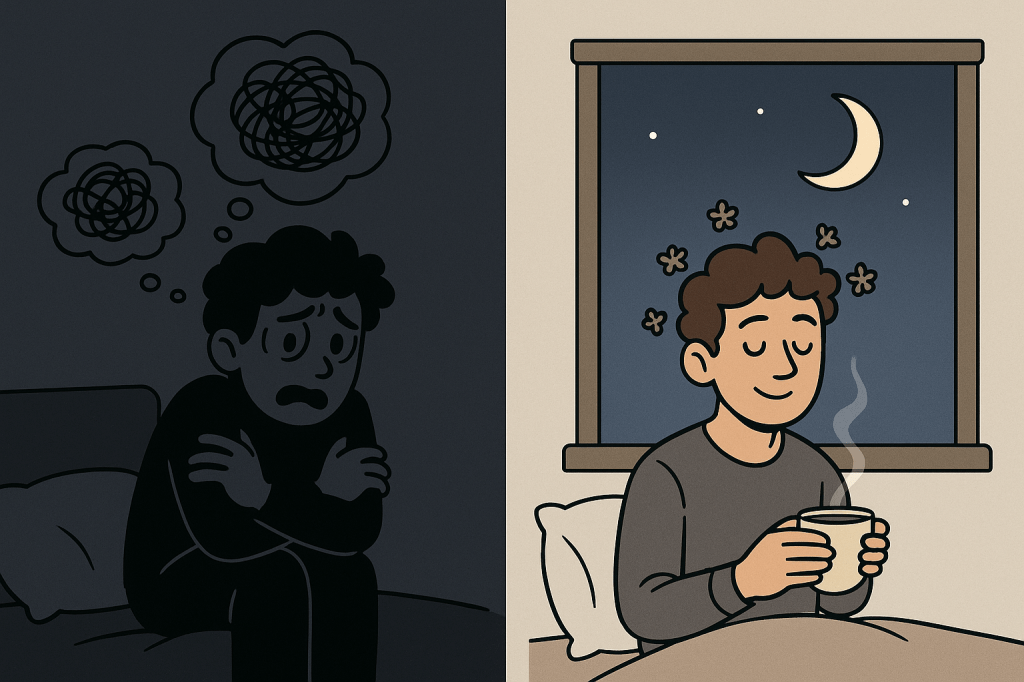
The Two Faces of Loneliness: How I Transformed Fear into Solitude


I met my scariest thoughts in silence. Later, I met my truest self there too.

Between 2010 and 2012, most of my close friends got married and slowly started moving to the US. I was still in India, watching my social circle shrink. Slowly, I started feeling a deep loneliness. It wasn’t just the absence of people; it was a heavy, unsettling silence that echoed inside me.

That loneliness didn’t feel like a quiet evening to rest. Instead, it created a voice inside me — a kind of invisible scare. I had sleepless nights and scary nights, but what exactly was I scared of? I couldn’t define it clearly.

Through my own reflection and reading, I understood that these were what psychologists sometimes call phantom threats. When our social support system breaks down, our brain starts scanning for danger, even if there isn’t any real external threat. It’s a leftover survival instinct from when being alone meant being vulnerable to wild animals or enemies. In modern life, this translates to vague fears, restlessness, or a feeling of being unsafe — even in the comfort of our own room.

Then, I got married. Suddenly, I had a partner, someone to share every small joy and every small fear with. That scary loneliness vanished. I didn’t feel that void anymore.

Fast forward to 2019–2025. Life had moved into another gear: kids, family commitments, work deadlines, responsibilities piling up. Ironically, there was no physical loneliness at all — I was constantly surrounded by people.

But deep inside, a new kind of loneliness crept in. This wasn’t the fear of being alone in an empty room; it was the exhaustion of never truly being alone with myself.

Every day felt like a marathon — waking up to attend to kids, squeezing in work calls, family discussions, endless errands. Even at night, when the world finally went quiet, my mind didn’t. It kept replaying unfinished tasks, small conflicts, worries about the kids, tomorrow’s to-do list.

I would close my eyes but feel half-awake, as if there was a hidden guard inside me who refused to let me fully rest. My dreams were crowded — sometimes about work, sometimes about family, sometimes random worries stitched together in confusing ways.

When I woke up, instead of feeling refreshed, I felt as if I had already lived an entire day in my mind. My body was stiff, my head heavy. It was like my brain never turned off, always on “alert mode,” scanning for the next responsibility.

There was no space for me. No silent cup of coffee alone. No lazy morning staring at the ceiling. No blank mental canvas. Just an endless wave of obligations crashing over me, one after another.

This was a loneliness that no one talks about — the loneliness inside a crowded life. You are surrounded by people, yet your inner self is starved for attention.

In June 2025, I moved to Chennai to focus on work, and for the first time in years, I got a lot of alone time. I was worried that the old fears would return, that those phantom threats would sneak back into my nights. But to my surprise, this loneliness felt completely different.

This time, it wasn’t scary. It was warm, healing. It felt like a solitude that I had long needed.

Now, instead of voices and scares, the silence felt like music. The quiet nights felt like gentle hugs from my own mind. I started enjoying small things again — watching the rain, making my own tea, sitting in silence without having to answer anyone.

I realized that this wasn’t loneliness; it was solitude — a conscious, chosen space to meet myself. It was no longer about being left out but about reconnecting inward.

Looking back, I realize loneliness and solitude are two sides of the same coin. One scares you when you don’t feel safe with yourself; the other heals you when you finally do.

As I write this today, I don’t feel the void I once did. Instead, I feel gratitude — for the noisy years, for the silent nights, and for the rare chance to meet my own mind in peace.
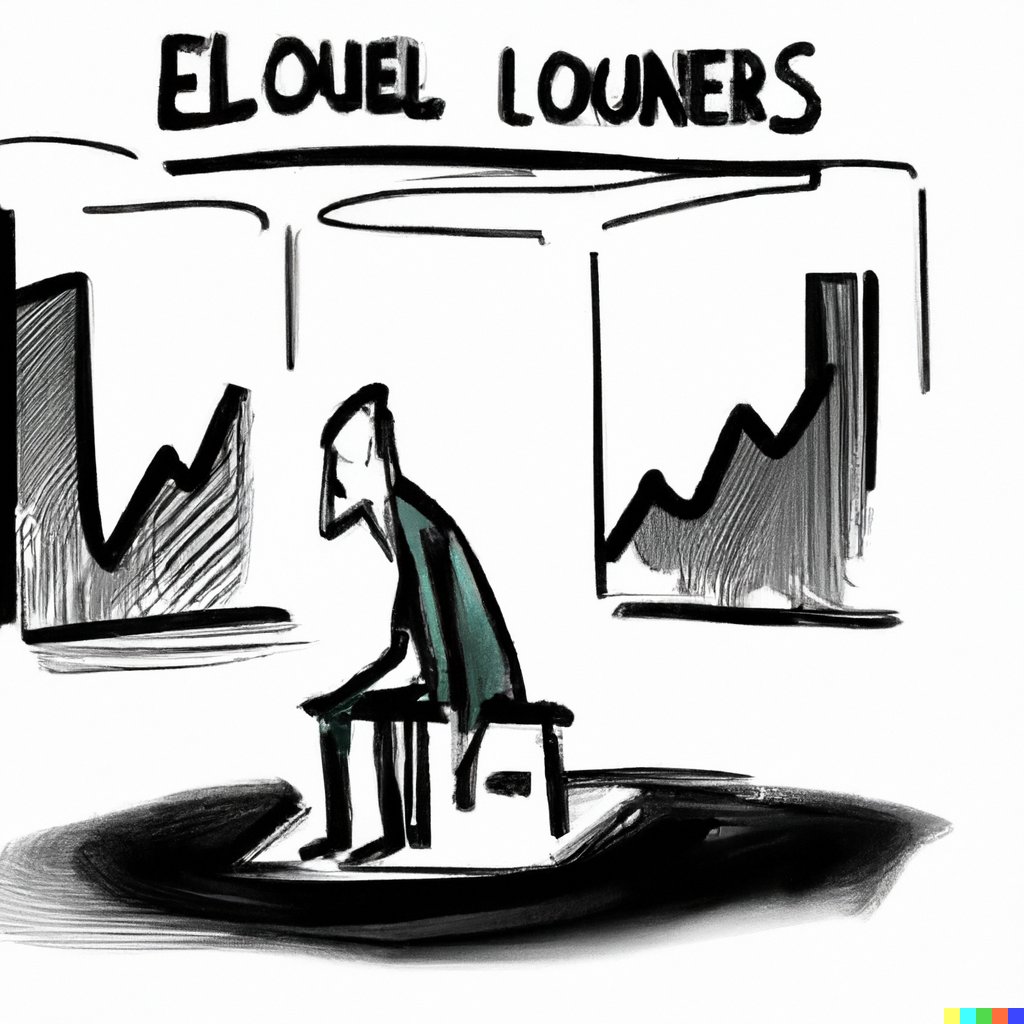
The Fine Line Between Freedom and Loneliness


The question of whether being alone is freedom or loneliness is a complex and highly debated topic. On the one hand, being alone can be seen as a form of freedom, as it allows one to live life on their own terms and pursue their own interests without the constraints of others. On the other hand, being alone can also be seen as loneliness, a state of isolation and disconnection from others that can lead to feelings of sadness and despair.

At first glance, it may seem like the two concepts are at odds with each other. After all, freedom implies independence, while loneliness suggests a lack of connection. However, the reality is that the two are often intertwined, and the relationship between them is far more nuanced than it might seem.

On one hand, the freedom of being alone can be incredibly empowering. When we are free to do what we want, without anyone else’s input or interference, we are able to truly explore our passions and pursue our dreams. We can set our own schedules, make our own decisions, and live our lives in a way that feels most authentic to us.

However, this freedom can also be isolating. When we are alone, we don’t have anyone to share our experiences with, and we may feel like nobody cares about us or what we’re doing. We may feel like we are missing out on the joys of human connection, and that our lives lack the depth and richness that comes from being part of a community.

Ultimately, whether being alone is freedom or loneliness depends largely on our own perceptions and attitudes. If we approach our alone time with a sense of purpose and self-awareness, viewing it as an opportunity to grow and explore our passions, then it can be a powerful form of freedom. But if we approach it with a sense of isolation and disconnection, seeing it as a punishment or a burden, then it can quickly become a source of loneliness and despair.

In conclusion, the question of whether being alone is freedom or loneliness is a deeply personal one that is largely determined by our perceptions and attitudes. Ultimately, the key to finding true freedom in solitude is to approach it with a sense of purpose and self-awareness, recognizing the value of our own company and the opportunities that come with being able to live life on our terms

Handling EQ & FT


Balancing emotional intelligence (EQ) when dealing with financial turbulence and emotional blackmail while being alone can be a challenging task. However, here are some steps that may help:

  1. Acknowledge your emotions: Recognized size and accept your emotions, whether it is stress, anxiety, fear, or anger. Don’t try to suppress or ignore your emotions as it may lead to more significant problems in the future. Instead, take a deep breath, pause, and reflect on your emotions.
  2. Set boundaries: Emotional blackmail is a manipulative tactic that can be challenging to deal with. Setting boundaries and asserting yourself is crucial. Be clear about what you are willing to accept and what you are not. Stick to your boundaries, even if it causes temporary discomfort.
  3. Prioritize self-care: Take care of your mental and physical well-being. Practice mindfulness techniques, such as meditation, yoga, or deep breathing exercises. Exercise regularly, get enough sleep, and eat a healthy diet. Self-care can help you cope better with emotional stress and financial turbulence.
  4. Focus on solutions: Instead of dwelling on the problem, focus on finding solutions. Take a practical approach and identify the steps you can take to improve your financial situation. Seek professional advice from financial advisors, credit counselors, or debt management experts. By taking action, you can gain a sense of control and reduce your stress levels.

Remember that balancing EQ is a continuous process that requires practice and patience. It’s essential to stay positive and believe in your ability to overcome financial turbulence and emotional blackmail