
There is one skill I seriously need to upgrade in life.
Not business.
Not investment.
Not AI automation.
The art of saying NO.
I don’t know why, but whenever someone calls me — especially those long-distance “Hi da… remember me?” connections — I already know what is coming.
Not “How are you?”
Not “Let’s meet for coffee.”
It is always:
“Bro… small help…”
Small help.
That word has destroyed many budgets.
The 20-Year EMI Without Return
There are people who borrowed money from me 20 years back.
Yes. Two decades.
If that money was invested in SIP, it would have retired by now.
But instead, it is peacefully sleeping in someone else’s memory — because clearly, they don’t remember it.
And I?
I remember everything. Even the amount. Even the day.
But I never ask again.
Why?
Because I feel awkward.
See the comedy? I give money comfortably. Asking it back feels like a crime.
The Legendary Deduction Incident
One day, I actually tried something brave.
A friend owed me money for years. One fine day, I borrowed a small amount from him. In my head, I was doing advanced accounting.
“Okay. I will adjust from what he owes me.”
Brilliant plan.
After one year, this gentleman calls me.
“Machan… when are you returning my money?”
I waited for him to laugh.
He didn’t.
He had forgotten the 10-year pending amount.
In that moment, I had two options:
- Fight.
- Pay and disappear.
I paid.
Then I disappeared.
That was my bold rebellion.
The Monthly Charity Subscription
Even after all this experience, every month someone calls.
And somehow, my mouth says:
“Okay… I’ll transfer.”
Why?
Maybe I don’t want to hurt people.
Maybe I don’t want to look selfish.
Maybe I want to be seen as the “good guy.”
But here is the hidden truth:
Every time I say yes, a small part inside me says, “Why did you do that again?”
It is funny on the outside.
Inside, it is tiring.
The Real Problem
It’s not about money.
It’s about boundaries.
If someone says no to me, I understand.
But when I have to say no, I feel guilty.
Why is that?
Somewhere, I built an image of myself as:
“Helpful Anand.”
But I forgot to add:
“Helpful with limits.”
The Hard Realization
If someone borrowed 20 years back and never returned,
and still has no intention…
That is not generosity.
That is poor boundary management.
If someone forgets what they owe me but remembers what I owe them…
That is not friendship.
That is selective memory with financial clarity.
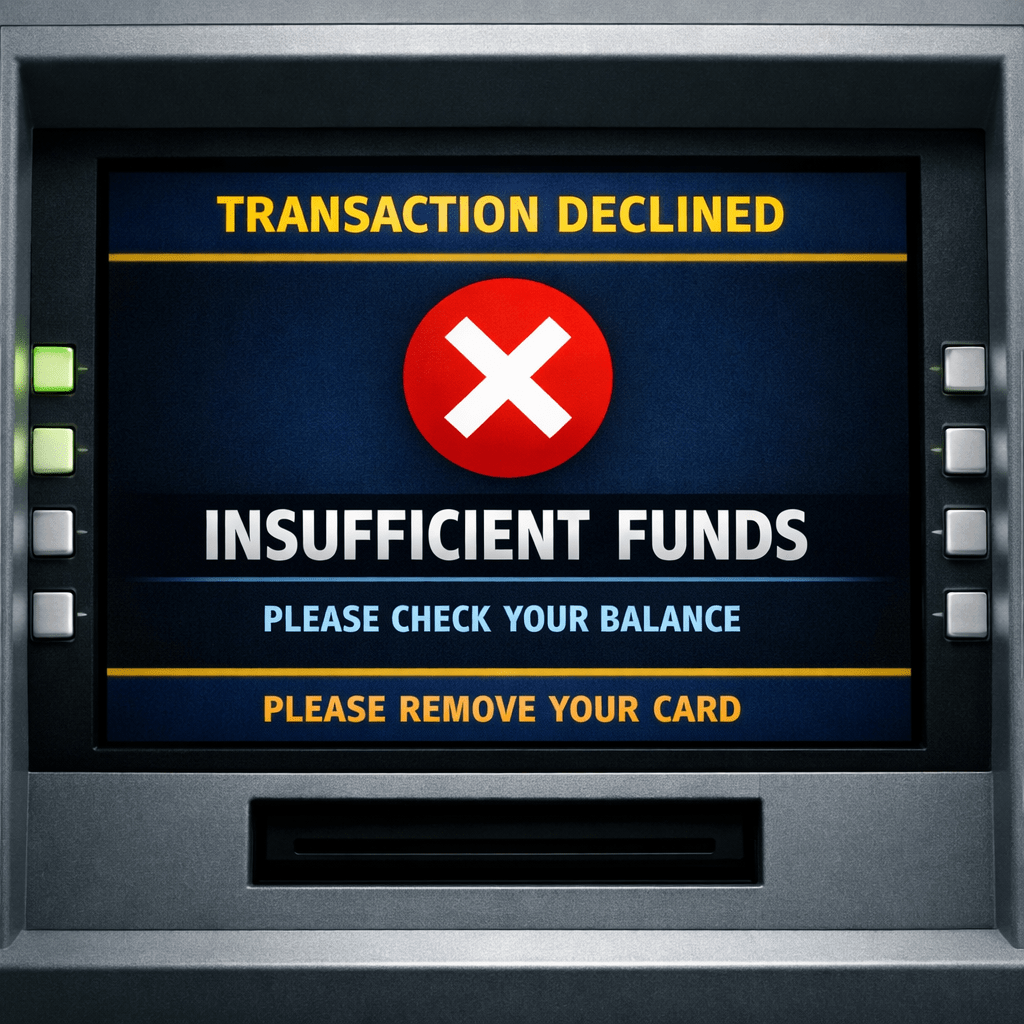
I want to become an ATM machine does not feel bad when it says:
“Insufficient funds.”
It just displays the message.
Maybe I should learn from machines.
I don’t want to stop helping people.
I just want to stop helping in a way that hurts me.
Learning to say no might be the most profitable skill of my life.
 AnandNataraj