Life Cycle of CORRUPTION!!!


Do you AGREE??

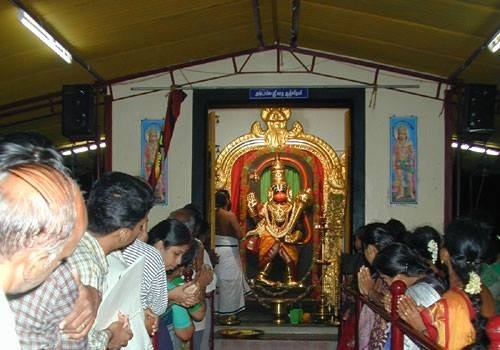
Ashtamsa Sri Varada Anjaneya Temple History


Two decades ago, Rajamani Bhattar, a temple priest of Tirunelveli, brought up in Vaikanasa Agama tradition and an upasaka of the Anjaneya, was blessed by Guruji Haridos Giri Swami and he was presented with the idols of Sri Rama, Sita, Lakshmana, Anjaneya and a Shadchakra Saligrama at Thennangur.

The Swami had made an apocalyptic statement that the votary would build a shrine for Anjaneya.

In the year 2004, a divine call directed him to devote his entire time and resources to construct a shrine for Anjaneya at the spot indicated in his dream, at Peelamedu in Coimbatore.

Located on a spacious plot of ground tucked a few meters away from and on theCoimbatore-Avinashi road, opposite ESSO bus stop (near Suguna Kalyanamandapam) the Ashtamsa Sri Varada Anjaneya is endued with eight special features.

Hence its uniqueness in standing apart from other temples dedicated to the Anjaniputhra.

Normally Hanuman is portrayed with His folded hands praying to Sri Ramachandra.

But, the gomukhi-structured idol of the deity here, in Peelamedu facing west and measuring eight feet is of a different kind.

And many more unique featrues of the lord Hanuman can be found in this temple.

20140206-184046.jpg
Source: Coimbatorian

SAD to know we destroyed our heritage


Just shared this picture of Thirumala Naicker Mahal in FB about its beauty and how development has screwed its beauty now…

20130921-084915.jpg

Immediately got a comment from my friend;

I read in an article that British government offered people that “whoever demolishes the statue or some building, those places belong to them.” By Hearing this, Our ancestors demolished most of them around madurai.

He even shared this link on history behind perumal maistry street… Here is a small synopsis from the article;

Then Madurai Collector John Blackburn wanted to demolish the fort walls around the Meenakshi Amman temple for the development of the city. He realised that it would cost a sizable fortune of the government to dismantle the thick walls of the fort. Besides, the channels adjoining the fort had crocodiles to prevent anyone to reach the fort by crossing the water.

“When the British rulers realised that it was not possible to demolish the fort and fill the huge channel with soil, they decided to seek public participation. To lure the public, the collector announced that people can demolish the fort wall and fill the channel to become owners of the land. People from several villages gathered and completed the work…

Feeling bad to know how Britishers enslaved us and how they used us in destroying our own heritage :(…

FUCK & English Grammar


Got this as MP3 during my final year college and I’ve forwarded it to Humpty of my friends… Just remembered of it and searched for the MP3 and was lucky enough to get it immediately… Also thought it would be nice to share this wonderful piece of information to you all…

Wish you all can now justify yourself in using this F word…

Perhaps one of the most interesting words in the
English language today is the word fuck.
Out of all of the English words that begin with the letter “F”,
fuck is the only word that is referred to as the “F” word.
Its the one magical word, just by its sound can describe
pain, pleasure, hate and love.
Fuck, as most words in the English language,
is derived from German, the verb “ficken”, which means to strike.
In English, fuck falls into many gramatical catagories.
As a transitive verb for instance:
“John fucked Shirley”
As an intransitive verb:
“Shirley fucks”
It’s meaning’s not always sexual.
It can be used as an adjective such as:
“John’s doing all the fucking work”
As part of an adverb:
“Shirley talks to fucking much”
As an adverb enhancing an adjective:
“Shirley is fucking beautiful”
As a noun:
“I don’t give a fuck”
As part of a word:
“Abso-fucking-lutely” or “In-fucking-credible”
And, as almost every word in a sentence:
“Fuck the fucking fuckers”
As you must realise there aren’t to many words with the versatility of fuck.
As in these examples, describing situations,
such as fraud:
“I got fucked at the used car lot”
Dismay:
“Oh, fuck it”
Trouble:
“I guess I’m really fucked now”
Aggression:
“Don’t fuck with me buddy”
Difficulty”
“I don’t understand this fucking question”
Inquiry:
“Who the fuck was that?”
Dissatisfaction:
“I don’t like what the fuck is going on here”
Incompetence:
“He’s a fuck off”
Dismissal:
“Why don’t you go outside and play hide and go fuck yourself”
I’m sure you can think of many more examples.
With all of these multipurpose applications,
how can anyone be offended when you use the word?!
We say use this unique, flexible word more often in your daily speech.
It will identify the quality of your character immediately.
Say it loudly and proudly…

FUCK YOU

MP3 can be downloaded here

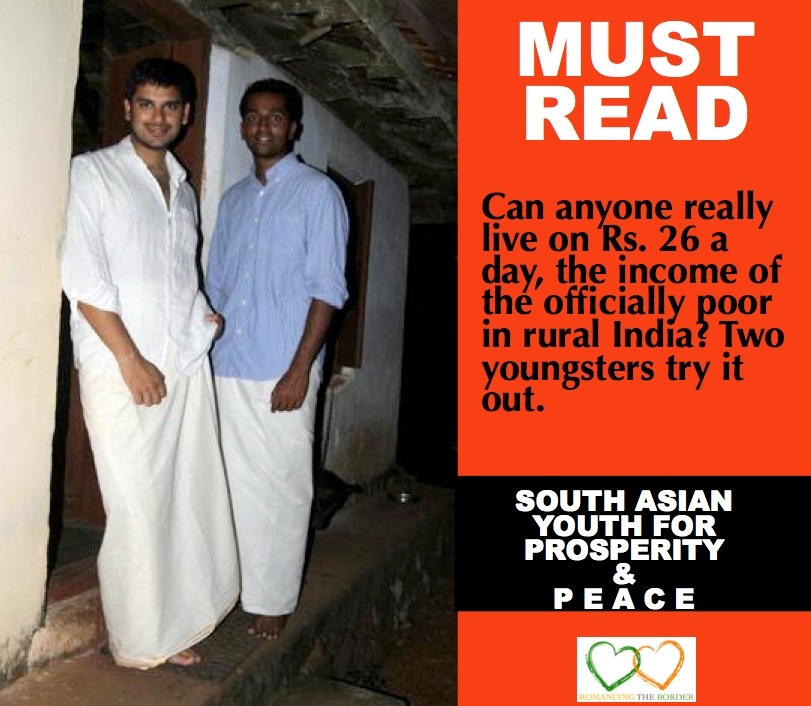
India Rs.26/- a day for poor a JOKE


20130403-115519.jpg

“Late last year, two young men decided to live a month of their lives on the income of an average poor Indian. One of them, Tushar, the son of a police officer in Haryana, studied at the University of Pennsylvania and worked for three years as an investment banker in the US and Singapore. The other, Matt, migrated as a teenager to the States with his parents, and studied in MIT. Both decided at different points to return to India, joined the UID Project in Bengaluru, came to share a flat, and became close friends.

The idea suddenly struck them one day. Both had returned to India in the vague hope that they could be of use to their country. But they knew the people of this land so little. Tushar suggested one evening — “Let us try to understand an ‘average Indian’, by living on an ‘average income’.” His friend Matt was immediately captured by the idea. They began a journey which would change them forever.

To begin with, what was the average income of an Indian? They calculated that India’s Mean National Income was Rs. 4,500 a month, or Rs. 150 a day. Globally people spend about a third of their incomes on rent. Excluding rent, they decided to spend Rs. 100 each a day. They realised that this did not make them poor, only average. Seventy-five per cent Indians live on less than this average.

The young men moved into the tiny apartment of their domestic help, much to her bemusement. What changed for them was that they spent a large part of their day planning and organising their food. Eating out was out of the question; even dhabas were too expensive. Milk and yoghurt were expensive and therefore used sparingly, meat was out of bounds, as were processed food like bread. No ghee or butter, only a little refined oil. Both are passionate cooks with healthy appetites. They found soy nuggets a wonder food — affordable and high on proteins, and worked on many recipes. Parle G biscuits again were cheap: 25 paise for 27 calories! They innovated a dessert of fried banana on biscuits. It was their treat each day.

Living on Rs.100 made the circle of their life much smaller. They found that they could not afford to travel by bus more than five km in a day. If they needed to go further, they could only walk. They could afford electricity only five or six hours a day, therefore sparingly used lights and fans. They needed also to charge their mobiles and computers. One Lifebuoy soap cut into two. They passed by shops, gazing at things they could not buy. They could not afford the movies, and hoped they would not fall ill.

However, the bigger challenge remained. Could they live on Rs. 32, the official poverty line, which had become controversial after India’s Planning Commission informed the Supreme Court that this was the poverty line for cities (for villages it was even lower, at Rs. 26 per person per day)?

For this, they decided to go to Matt’s ancestral village Karucachal in Kerala, and live on Rs. 26. They ate parboiled rice, a tuber and banana and drank black tea: a balanced diet was impossible on the Rs. 18 a day which their briefly adopted ‘poverty’ permitted. They found themselves thinking of food the whole day. They walked long distances, and saved money even on soap to wash their clothes. They could not afford communication, by mobile and internet. It would have been a disaster if they fell ill. For the two 26-year-olds, the experience of ‘official poverty’ was harrowing.

Yet, when their experiment ended with Deepavali, they wrote to their friends: “Wish we could tell you that we are happy to have our ‘normal’ lives back. Wish we could say that our sumptuous celebratory feast two nights ago was as satisfying as we had been hoping for throughout our experiment. It probably was one of the best meals we’ve ever had, packed with massive amounts of love from our hosts. However, each bite was a sad reminder of the harsh reality that there are 400 million people in our country for whom such a meal will remain a dream for quite some time. That we can move on to our comfortable life, but they remain in the battlefield of survival — a life of tough choices and tall constraints. A life where freedom means little and hunger is plenty…

It disturbs us to spend money on most of the things that we now consider excesses. Do we really need that hair product or that branded cologne? Is dining out at expensive restaurants necessary for a happy weekend? At a larger level, do we deserve all the riches we have around us? Is it just plain luck that we were born into circumstances that allowed us to build a life of comfort? What makes the other half any less deserving of many of these material possessions, (which many of us consider essential) or, more importantly, tools for self-development (education) or self-preservation (healthcare)?

We don’t know the answers to these questions. But we do know the feeling of guilt that is with us now. Guilt that is compounded by the love and generosity we got from people who live on the other side, despite their tough lives. We may have treated them as strangers all our lives, but they surely didn’t treat us as that way…”

So what did these two friends learn from their brief encounter with poverty? That hunger can make you angry. That a food law which guarantees adequate nutrition to all is essential. That poverty does not allow you to realise even modest dreams. And above all — in Matt’s words — that empathy is essential for democracy.”

Courtesy: The Hindu

Logic behind names of Chennai Places


Everyone living in chennai should read this 🙂

சென்னை இன்று மிகப்பெரிய மாநகரமாக விளங்க காரணம், பல சிறு சிறு கிராமங்களின் இணைவு தான். சிறுதுளி பெருவெள்ளம் என்பது போல் பல கிராமங்கள் இணைந்து சென்னை பிரமாண்டமாய் உருவெடுத்துள்ளது.

அப்படி இணைந்த கிராமங்களின் பெயர்கள் உருவானதின் பின்னணியை தெரிந்து கொள்வது சுவாரஸ்யமான ஒன்றே.

– 108 சக்தி ஸ்தலங்களில் 51வது ஊர். ஆகையால் ஐம்பத்து ஒன்றாம் ஊர் என்று
அழைக்கப்பட்டு, பின்னாளில் இவ்வூர் அம்பத்தூர் என மாறியது.

– Armoured Vehicles And Depot of India என்பதின் சுருக்கமே ஆவடி(AVADI)

– chrome leather factory இப்பகுதியில் அதிக அளவில் இருந்ததால் இப்பகுதி
குரோம்பேட்டை என அழைக்கப்படலாயிற்று.

– 17,18ம் நுற்றாண்டுகளில் நவாப் ஒருவரின் கட்டுப்பாட்டில் இருந்தது
இப்பகுதி. அவருடைய குதிரைகளின் பசியை போக்கும் நந்தவனமாக
இது விளங்கியதால், garden of horses என்னும் பொருள் படும் Ghoda bagh என்று உருது மொழியில் பெயர் வைத்தார். பின்னாளில் அதுவே கோடம்பாக்கமாக மாறியது.

– மகப்பேறு என்பதே மருவி முகப்பேர் ஆனது.

– தென்னை மரங்கள் நிரம்பிய பகுதி அது. ஆகையால் தென்னம்பேட்டை என பெயர் வைத்தார்கள். பிற்பாடு அது தேனாம்பேட்டையாக மாறிப்போனது.

– சையிது ஷா பேட்டை தான் சைதாபேட்டை என அழைக்கப்படுகிறது.

– முற்காலத்தில் வேதஸ்ரேணி என அழைக்கப்பட்டது தற்போதைய வேளச்சேரி.

– உருது வார்த்தையான che bage (six gardens என்பது இதன் பொருள்) என்பதிலிருந்து உருவானது தான் சேப்பாக்கம்.

– சௌந்தர பாண்டியன் பஜார் என்பதின் சுருக்கமே பாண்டி பஜார்.

– கலைஞர் கருணாநிதி நகரை சுருக்கி கே.கே. நகர் என அழைக்கிறோம்.

– சிவபெருமானுக்கு உகந்த வில்வமரங்கள் அதிகம் இருந்ததால் மகாவில்வம்
என அழைக்கப்பட்ட இப்பகுதி, பின்பு மாவில்வம் என்றாகி, காலப்போக்கில் எப்படியோ மாம்பலமாகி விட்டது.

– பல்லவர்கள் ஆட்சி செய்ததால் பல்லவபுரம் என்றழைக்கப்பட்ட இடம் தான்
பல்லாவரம்.

– சென்னை மாகாண முதல்வராக இருந்த பனகல் ராஜாவின் நினைவாக
இவ்விடம் பனகல் பார்க் என அழைக்கப்படுகிறது.

– நீதி கட்சி தலைவர் சர். பி.டி.தியாகராஜன் செட்டியின் பெயராலேயே
இப்பகுதி தியாகராய நகர் என அழைக்கபடுகிறது(தி.நகர்)

– புரசை மரங்கள் மிகுதியாக இப்பகுதியில் இருந்ததால், இப்பகுதி
புரசைவாக்கம் ஆனது.

– அதிக அளவில் மல்லிகை பூக்கள் பயிரிடப்பட்ட பகுதி இது. திருக்கச்சி
நம்பி ஆழ்வார் தினமும் இங்கிருந்து பூக்களை பறித்துக்கொண்டு சென்று
காஞ்சி வரதராஜபெருமாளை வழிபட்டுவந்தார். அதனால் இவ்விடம்
சமஸ்கிருதத்தில் புஷ்பகவல்லி என்றும், தமிழில் பூவிருந்தவல்லி என்றும்
அழைக்கப்படுகிறது. பின்னாளில் இது பூந்தமல்லியாக மாறியது. வல்லி
என்பது தெய்வத்தை குறிக்கும் ஒரு பெயர்.

– 17ம் நூற்றாண்டில் இங்கு வாழ்ந்து வந்த ஒரு முஸ்லீம் துறவி ‘குணங்குடி
மஸ்தான் சாகிப்’. இவரது சொந்த ஊர் ராமநாதபுரம் மாவட்டத்தில் உள்ள
தொண்டி. ஆகையால் அப்பகுதி மக்கள் அவரை தொண்டியார் என
அழைத்தனர். அந்த ஏரியா தான் தற்போதைய தண்டயார்பேட்டை.

– முன்பு இப்பகுதி ஆடு மாடுகள் மேயும் திறந்தவெளியாக இருந்துள்ளது.
அதனாலேயே மந்தைவெளி என்றழைக்கபடுகிறது.

– மயில் ஆர்ப்பரிக்கும் ஊர் என்பதே மயிலாப்பூர் என மாறிப்போனது.

– பல்லவர்கள் காலத்தில் போர்கள் நடத்த இவ்விடத்தையே
பயன்படுத்தியதால், இப்பகுதி போரூர் எனப்படுகிறது.

– சில நூறு வருடங்களுக்கு முன்பு இப்பகுதி முழுவதும் மூங்கில் மரங்கள்
இருந்தது. அதனாலேயே பெரம்பூர் எனப்படுகிறது.

– திரிசூல நாதர் ஆலயம் இருப்பதால் இந்த ஏரியா திரிசூலம் என்று
அழைக்கப்படுகிறது.

– பார்த்தசாரதி கோவிலின் எதிர்ப்புறம் இருக்கும் குளத்தில் நிறைய அல்லிகள்
பூக்கும். அதன் காரணமாக இப்பகுதிக்கு திருஅல்லிக்கேணி என பெயர்
உருவாக்கி, பின்பு திருவல்லிக்கேணியாகி, தற்போது triplicane என
மாற்றம் கண்டுள்ளது.

– தாமஸ் பாரி என்பவர் இப்பகுதில் வணிகம் செய்துவந்தார். மக்கள் மத்தியில்
மிகவும் மதிப்பு பெற்றிருந்த அவரின் பெயராலேயே இப்பகுதி பாரிமுனை
(பாரிஸ் கார்னர்) ஆனது.

– City Improvement Trust என்பதின் சுருக்கமே CIT நகர்

Curious case of Subhasini Mistry


20130310-125440.jpg


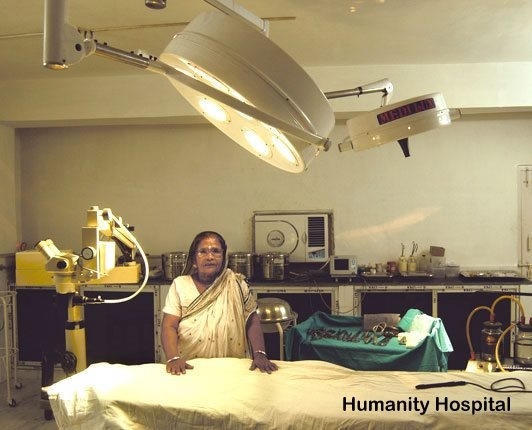
“This is all I could do on my own. I don’t regret that I had to put two of my children in an orphanage, that I couldn’t educate them. There were things needed to be done for the greater good. I had no education and couldn’t even tell the time. So I decided I would do whatever work that was available. I started out as an aayah (domestic help) in the nearby houses. I did everything. There is no work my hands have not done. I have cooked, mopped floors, washed utensils, cleaned gardens, polished shoes, concreted roofs. My children used to earn Re.1 while I used to get Rs.1.25. I never spent on myself. Whatever I earned, I saved most of it for the hospital. One of the landlords was selling off his land. I went to him and fell at his feet to let me buy the plot for a lesser amount. Our main problem is shortage of doctors. They are only available on specific dates. Since we do not pay them, they are less inclined to visit regularly. My wish will be fulfilled entirely when doctors and nurses are available round the clock and when we can provide all the services of a modern hospital.”

Subhasini Mistry, a 70 year old domestic worker who built a hospital for the poor, after losing her husband at the age of 23 because she couldnt afford medical care. Name of the Hospital: Humanity Hospital.

The Stolen Wealth of India During British Rule


20130304-134309.jpg
Everyone knows the history of India. But not all knows how much wealth it gave to this world. I don’t mean the literature and culture it taught to this world. I mean the real wealth, the money, the gold and diamonds stolen, looted by the British rulers, when they ruled India for nearly 200 years.

During the mid of 1770’s, the western countries, especially Britain had Industrial revolution and it was completely financed by the money looted from India. Even William Digby and British historian agreed that without the “Venture Capital” which was looted from Bengal, the Industrial Revolution might not have happened. In 1757, the Battle of Plassey happened among the King of Bengal and British rulers. But Robert Clive defeated the effort of evicting the British rule. During this battle, Bengal got looted completely.

The looted money and wealth were then showered in the industrial revolution, which helped in the inventions like “The spinning Jenny” in the year 1764, “The water Frame”, a machine to spin cotton threads in the year 1769, “The Steam Engine” in the year 1785 and a lot more.

Apart from financing the British people to develop their inventions and economy, the wealth of India also helped Americans also to grow economically. During 19th century, USA levied heavy and stiff tariffs on any goods that are imported from Britain. Since Britain didn’t have any problem for wealth and money, as it was flowing from India, which they absorbed completely. So they didn’t care about the high taxes. So, the prosperity of India was shared with America also by the British rulers.

One more Englishman mentioned in his note about India, “Even after sucking the entire wealth of India, our government is still giving more sufferings to the people of India by forcing them to by their products like dresses which they wove by the inventions sponsored by Indian money. How people of hot country can wear a dress woven for a cold country like England?” and so on…

Anglophiles’ note of apology says “British colonial rule in India was the organized banditry that financed England’s Industrial Revolution”. The British rulers even took over the technology of India, along with money. Will Durant, an American Historian mentioned in his note “India was flourishing in Ship building besides the expertise of making steel and textiles. But all got ruined when British took over those technologies”.

Only few knows that the birth place of the world famous Kohinoor diamond (which means Mountain of Light), which is currently a part of the Royal British Crown Jewels, is India. This 105 carat diamond was the largest one at that time and it was kept by various Mughal Emperors. But it was later looted by the East Indian Company, which was then gifted to Queen Victoria when she was declared as “Empress of India” in the year 1877.

Roughly it has been estimated as 1.8 Trillion Dollars of money that was looted by the British rulers in that 200 years of brutal ruling of India, apart from some other wealth like gold, diamonds and raw materials which got transported out of India in around 700 Ships and made India from a Developed Nation to a “Third World Country“.

That, Freedom Movement is still yet to be WON.
——————————
——————————
Source : Swaminathan Gurumurthy
——————————
——————————
Note : Read two books from Rajiv Malhotra
1. Breaking India (Book)
2. Being Different (Book)
——————————
——————————

British distorted Hindu Aryavrata-Bharata History of India


The flawed Aryan invasion theory (AIT) was actually part of the British policy of divide and rule, French historian Michel Danino, an expert on ancient Indian history, said on Thursday on the sidelines of the Kolkata Literary Meet. Danino, who authored books such as The Lost River: On The Trail of Saraswati and Indian Culture and India’s Future, blames the British for distorting Indian history and challenged the Arayan invasion theory, while maintaining that there was no actual Aryan-Dravidian divide.

“No ancient or medieval Indian text would support the Aryan invasion theory. It is genetically proven that Aryans and Dravidians belong to the same race, ”said Danino, who settle in India in 1977 and has since acquired Indian citizenship.

Danino said that early Tamil literature displayed a cultural fusion with north Indian literature. Even the name of the city Maduri was influence from the ancient north Indian heritage city, Mathura, Danino claimed.

“Indians are basically a mixed breed and the mixing started as early as the Stone Age. After the Saraswati river dried up, leading to the collapse of the Indus Valley civilization, people started settling on the banks of the Ganges. This phenomenon that occurred around 2000 BC led to massive mixing up of the populace as a while has to shift its base,” Danino explained.

“The Mahabharata defined ethnic groups as jatis, whereas the British brought in the term tribes to describe the same thing, thus denigrating the homogenous culture of India. Jatis were defined on ecological terms. There is a popular perception that casteism started in India since the Vedas but that is not true. There was no casteism even during the Mahabharata period,” he said.

Danino also rued the fact that Indians are apathetic towards the preservation of their rich culture and heritage. “1170 sites of the ancient Harappan civilization have been identified during its mature phase. But till date only around 100 sites have been excavated. There is a fear that 90% of the sites might disappear due to expansion of urban areas or agricultural land being converted to residential high rises,” Danino said.

He went on to give an example of how the archaeological Survey of India (ASI) could recover only eight kilos of Harappan gold when about 80 kilos of the same was unearthed at Mandi in Uttar Pradesh. Villagers pilfered the rest, depriving India of a useful insight into its rich heritage.

“ASI admitted to a Parliament query that 42 protected sites vanished from Delhi alone. No one noticed as land sharks went to grab the sites and construct high-rises on them,” Danino said.

Historian Sanjeev Sanyal, speaking on the continuity of Indian history claimed that east European and north Indian people share genetic similarities.
————————–
Source : Hindustan Times

Link : http://www.hindustantimes.com/India-news/Kolkata/Indian-history-was-distorted-by-the-British/Article1-1004972.aspx